
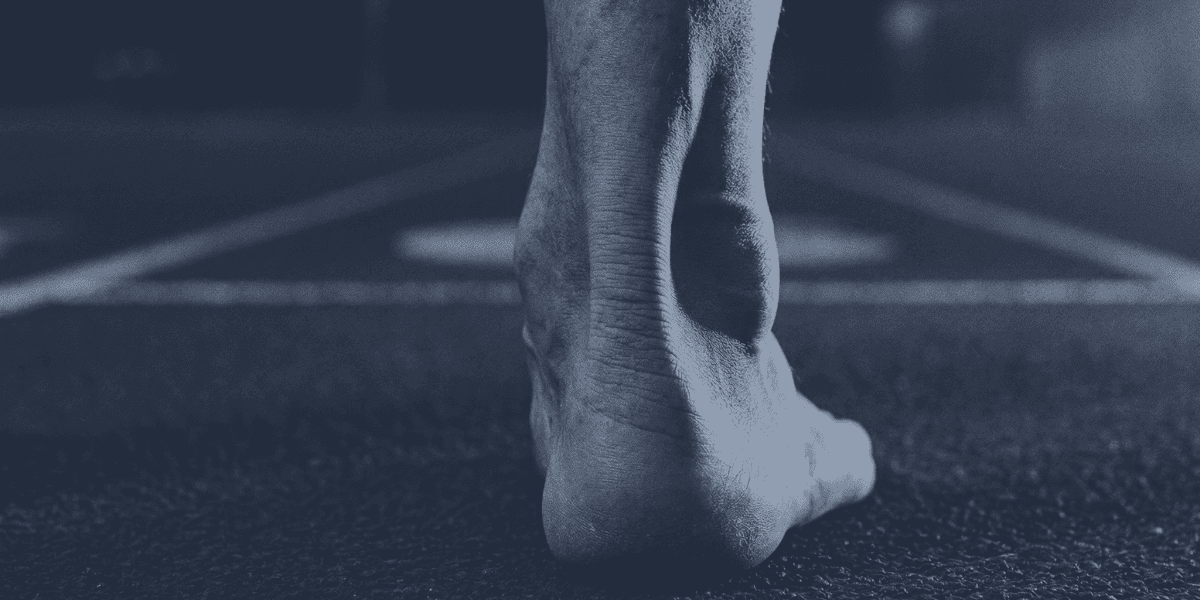
Tendon Injuries
Tendinopathy treated the right way: with load, not rest. Evidence-based rehabilitation aimed at getting you back to sport.
Tendon injuries are among the most frustrating for athletes. They are slow to respond, frequently mismanaged with rest, and prone to recurrence when the rehabilitation is not done correctly.
Tendinopathy (whether at the Achilles, patella, rotator cuff, hamstring, or gluteal tendon) requires a specific approach: progressive load. Rest does not heal tendons; the right amount of the right load does.
Rudy's background in personal training and strength and conditioning is particularly relevant here. Managing the load prescription for tendinopathy requires the same precision as strength and conditioning programming, and a level of detail most clinicians are not equipped to provide.
Current evidence strongly supports a load-based approach to tendon rehabilitation: isometric loading, heavy slow resistance training, and progressive return to sport-specific loads. That is the approach at INVICTUS.
How we treat it
Tendinopathy assessment
Clinical assessment to confirm tendinopathy, stage the condition, and identify contributing load and biomechanical factors.
Load management
Immediate modification of training load to protect the tendon while maintaining fitness and function.
Isometric loading
Isometric exercises to reduce pain and begin the tendon loading process in early-stage tendinopathy.
Heavy slow resistance training
Progressive tendon loading using heavy slow resistance training, well-supported by current tendinopathy research as the primary rehabilitation approach.
Sport-specific return
A staged return to running, jumping, and sport-specific movements with objective criteria at each stage.
Recurrence prevention
Long-term load management and training guidance to protect the tendon beyond the rehabilitation program.
Tendon Injuries: FAQ
Complete rest is rarely the right answer for tendinopathy. Rest unloads the tendon, which leads to further deconditioning. The key is to find the right level of load (not too much, not too little) and progress from there.
Tendinopathy is one of the slower conditions to resolve. A full rehabilitation program typically takes 12–16 weeks, though many athletes see meaningful improvement within 4–6 weeks. Individual timelines vary depending on severity, duration, and response to loading.
Yes. Tendinitis implies acute inflammation, which is relatively uncommon in persistent cases. Most ongoing tendon pain is classified as tendinopathy, a structural change in the tendon associated with a disrupted repair process rather than active inflammation. This distinction matters because anti-inflammatory approaches alone are not effective for tendinopathy, and load-based rehabilitation is required.
In most cases, yes, with appropriate load modification. Maintaining training is important for overall fitness and tendon health. Rudy will advise on what you can continue and what needs to be modified.
Your initial consultation
Your first appointment is 45 minutes.
We start with your history: what’s happening, when it started, what makes it better or worse, and what you’re working towards.
From there, Rudy moves into a physical and orthopaedic examination to identify what’s driving the issue and what’s contributing to it.
Where appropriate, initial treatment follows, and you leave with a clear plan for next steps.
Book your appointment
Booking form not loading? Book directly through Cliniko or call 0460 424 217.
Related conditions
Dealing with tendon injuries?
Book an initial assessment at INVICTUS Sport & Spine and get a clear diagnosis and treatment plan.