
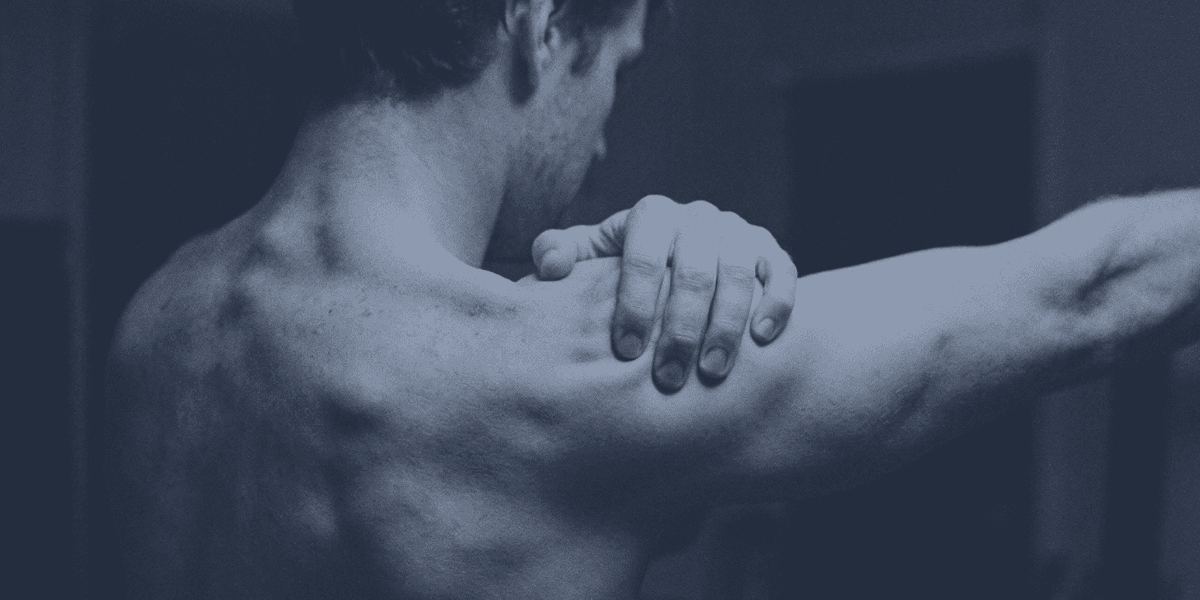
Shoulder Pain
Rotator cuff, impingement, instability: shoulder pain diagnosed and treated with a functional approach.
The shoulder is the most mobile joint in the body, which makes it the most injury-prone in sport. Overhead athletes, swimmers, rugby players, CrossFitters, and gym-goers are all common presentations at INVICTUS.
Shoulder pain has many possible causes: rotator cuff pathology, acromioclavicular joint irritation, glenohumeral instability, biceps tendon issues, or thoracic spine dysfunction that is loading the shoulder from above. Getting the diagnosis right is everything.
Rudy conducts a comprehensive shoulder assessment that includes movement analysis, orthopaedic testing, and assessment of the entire kinetic chain, from the thoracic spine through to the shoulder complex. Pain at the shoulder is often driven by dysfunction elsewhere.
Treatment follows the diagnosis. Manual therapy addresses joint mechanics and tissue tone; rehabilitation builds the rotator cuff capacity and scapular stability that keeps the shoulder healthy under load.
How we treat it
Full shoulder assessment
Comprehensive orthopaedic and movement assessment to identify the specific structure driving your shoulder pain.
Kinetic chain analysis
Assessment of thoracic mobility, scapular control, and shoulder mechanics to identify contributing factors.
Manual therapy
Joint mobilisation, manipulation, and soft tissue techniques to restore shoulder movement and reduce pain.
Rotator cuff rehabilitation
Targeted strengthening of the rotator cuff and periscapular muscles to restore shoulder stability.
Sport-specific loading
Progressive return to throwing, overhead lifting, or swimming with objective criteria at each stage.
Referral where indicated
If imaging or specialist assessment is required, Rudy will coordinate referral and continue to manage your care.
Shoulder Pain: FAQ
Yes. Most rotator cuff injuries, including partial tears and tendinopathy, respond well to conservative management including manual therapy and progressive loading. Full thickness tears may require surgical assessment, and Rudy will refer appropriately.
This varies depending on the diagnosis, severity, and individual response. Rotator cuff tendinopathy often responds well to structured rehabilitation, with many cases improving significantly within 6–12 weeks. More complex or long-standing presentations may take longer. Rudy will give you a realistic timeline at your initial assessment.
No. Chronic shoulder problems often involve movement faults and load deficits that have accumulated over time without being specifically targeted. A thorough assessment will determine what can be improved and what a realistic plan looks like.
Not necessarily. Many shoulder conditions can be managed within a modified training load while treatment progresses. Rudy will advise on what to modify and what to maintain at each stage.
Your initial consultation
Your first appointment is 45 minutes.
We start with your history: what’s happening, when it started, what makes it better or worse, and what you’re working towards.
From there, Rudy moves into a physical and orthopaedic examination to identify what’s driving the issue and what’s contributing to it.
Where appropriate, initial treatment follows, and you leave with a clear plan for next steps.
Book your appointment
Booking form not loading? Book directly through Cliniko or call 0460 424 217.
Related conditions
Dealing with shoulder pain?
Book an initial assessment at INVICTUS Sport & Spine and get a clear diagnosis and treatment plan.